
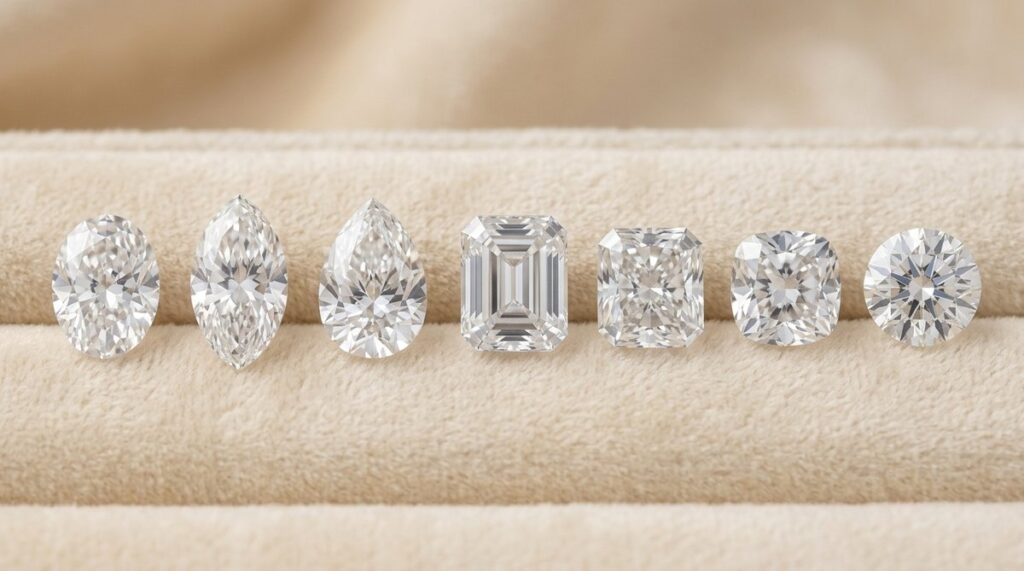
Two diamonds that weigh exactly the same can look completely different on the finger. One may appear bold and generous, while the other looks noticeably smaller — even though the price tag says they are the same carat.
This happens because carat is a measure of weight, not visible size. A diamond’s face-up appearance depends on its shape, measurements, depth, and how it is set. Understanding which shapes tend to look larger — and why — can help you get more visual size for your budget.
Here is how the most popular diamond shapes compare for face-up size.
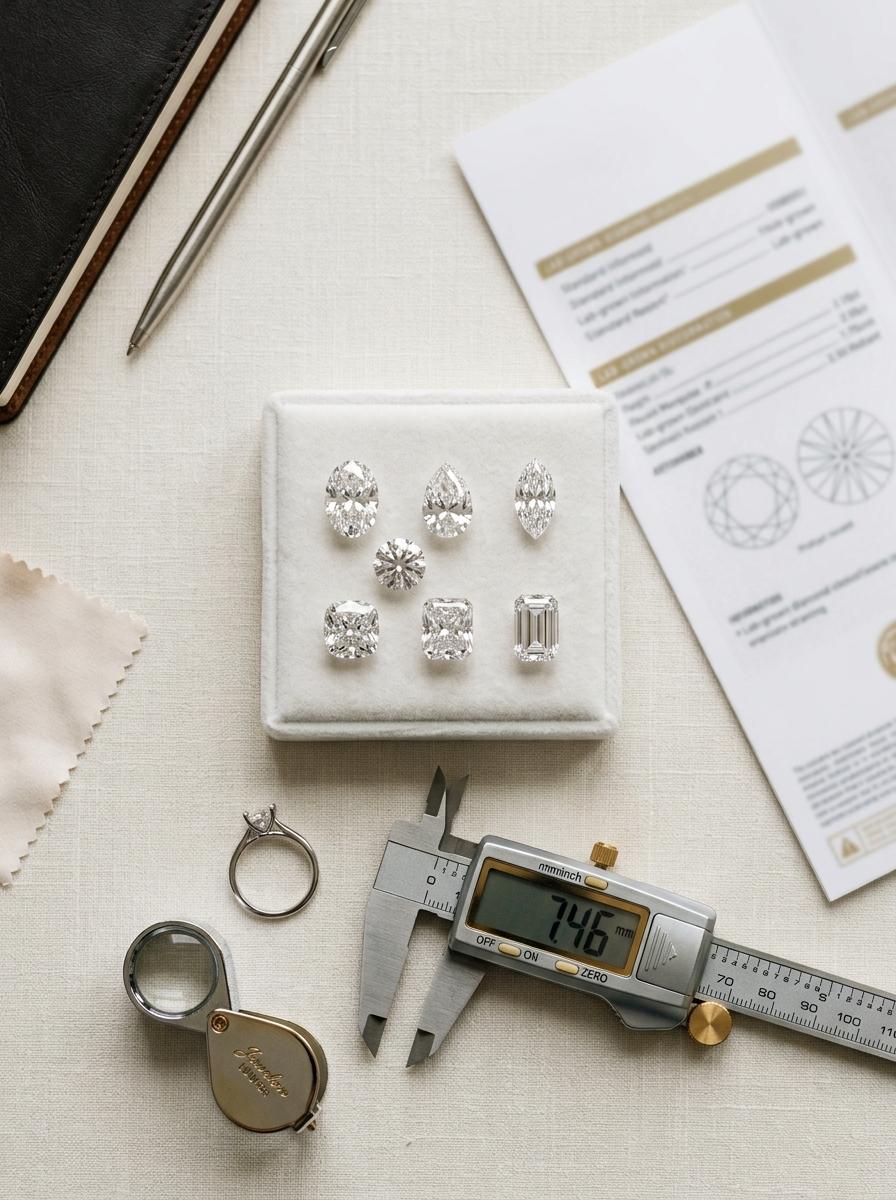
Elongated shapes like oval, marquise, and pear often look larger than round or cushion diamonds of the same carat weight because they spread their weight across more surface area. Emerald and radiant cuts can also appear large depending on their specific measurements. But carat is weight, not size — always compare length, width, and depth rather than relying on carat alone.
Carat Weight vs Face-Up Size
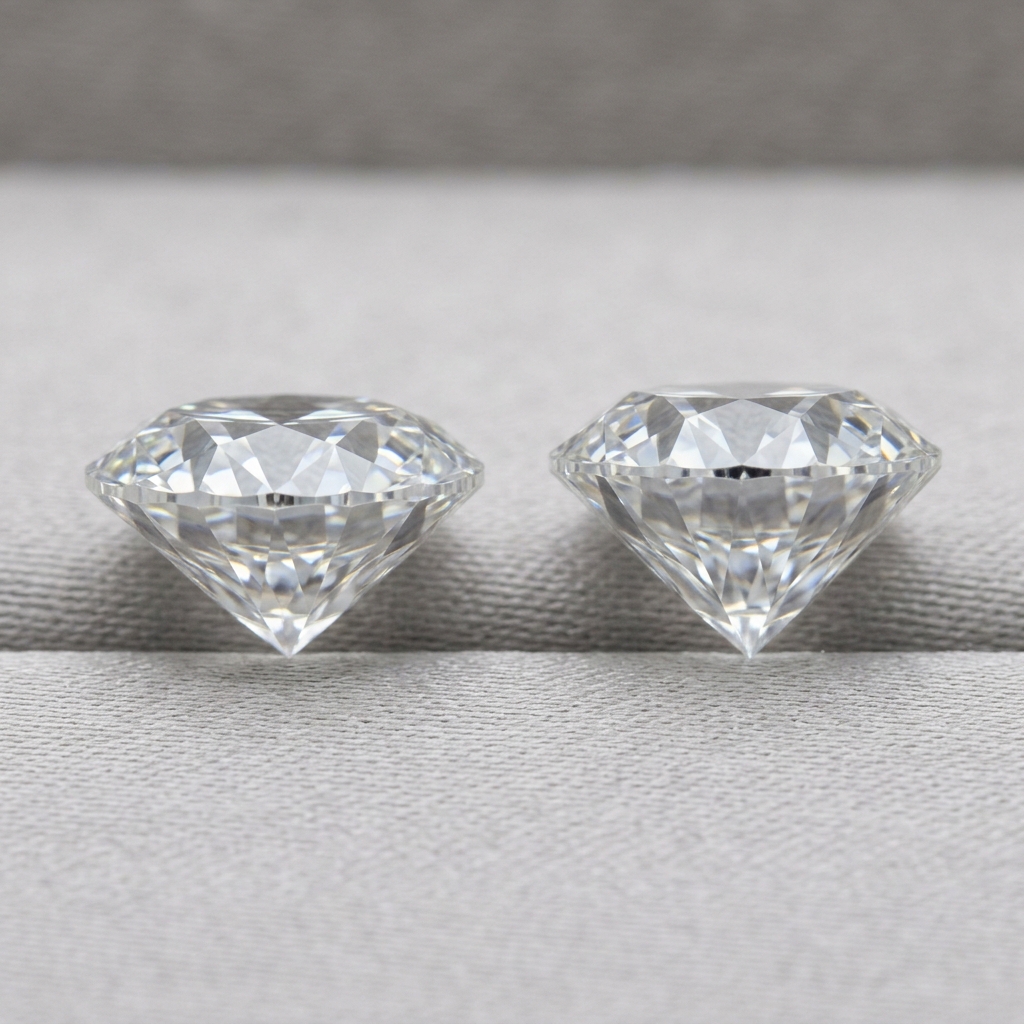
Carat weight measures how much a diamond weighs, not how large it looks from above. Two diamonds of the same carat can have different face-up dimensions because of their shape and depth. A shallow diamond spreads its weight across a wider area, making it appear larger. A deep diamond concentrates its weight downward, making it appear smaller from the top.
This is why checking diamond measurements is more useful than comparing carat weight alone. A 0.90-carat oval with good proportions can look larger than a 1.00-carat round with a deep cut.
Diamond Shapes That Usually Look Larger
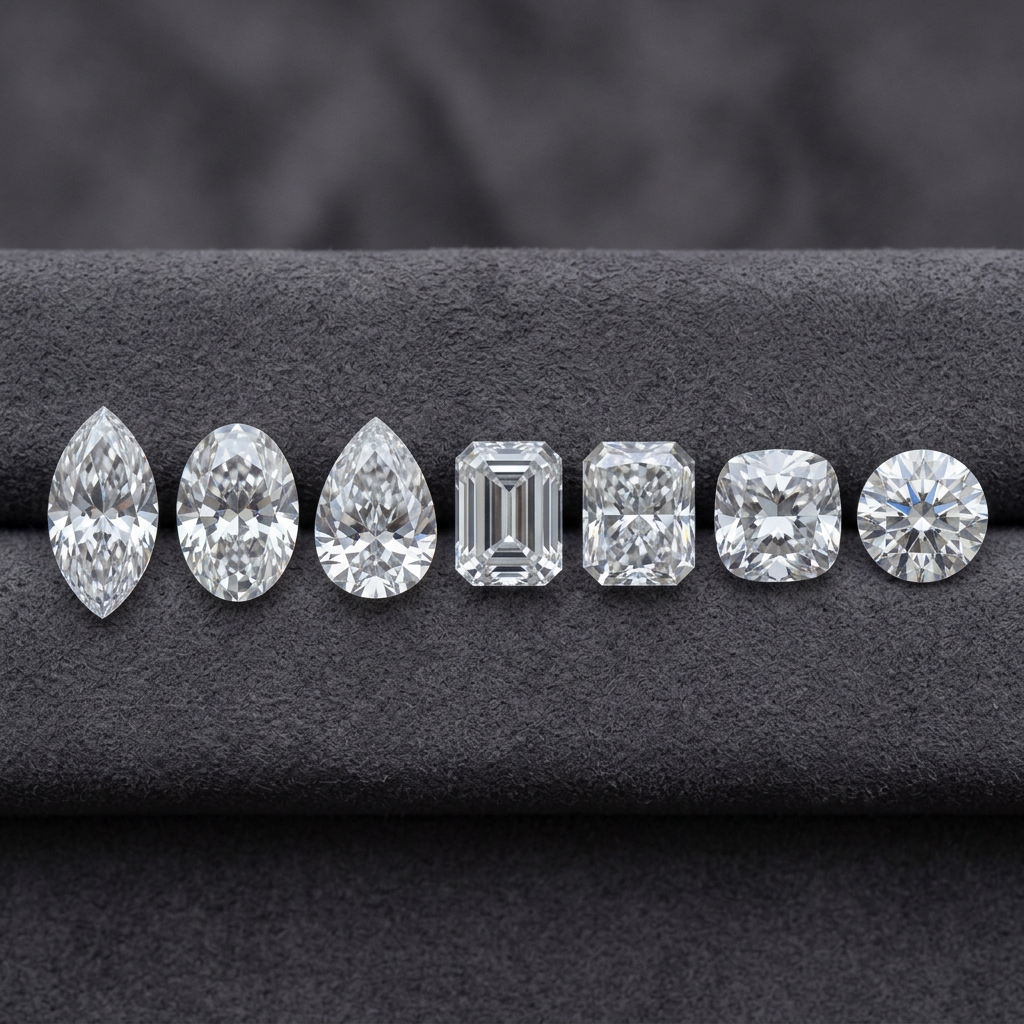
Certain diamond shapes tend to offer more face-up spread for their carat weight. These shapes are worth focusing on if visible size is a priority.
| Shape | Why It Looks Large | Trade-Off |
|---|---|---|
| Marquise | Extremely elongated — maximum length per carat | Pointed ends need protection |
| Oval | Elongated silhouette spreads weight across the finger | Can show bow-tie effect |
| Pear | Long teardrop shape covers more finger length | Tip protection required |
| Emerald | Broad step facets can create a wide appearance | Shows inclusions more easily |
| Radiant | Rectangular shape with good spread potential | Faceting style affects perceived size |
Elongated Shapes and Finger Coverage
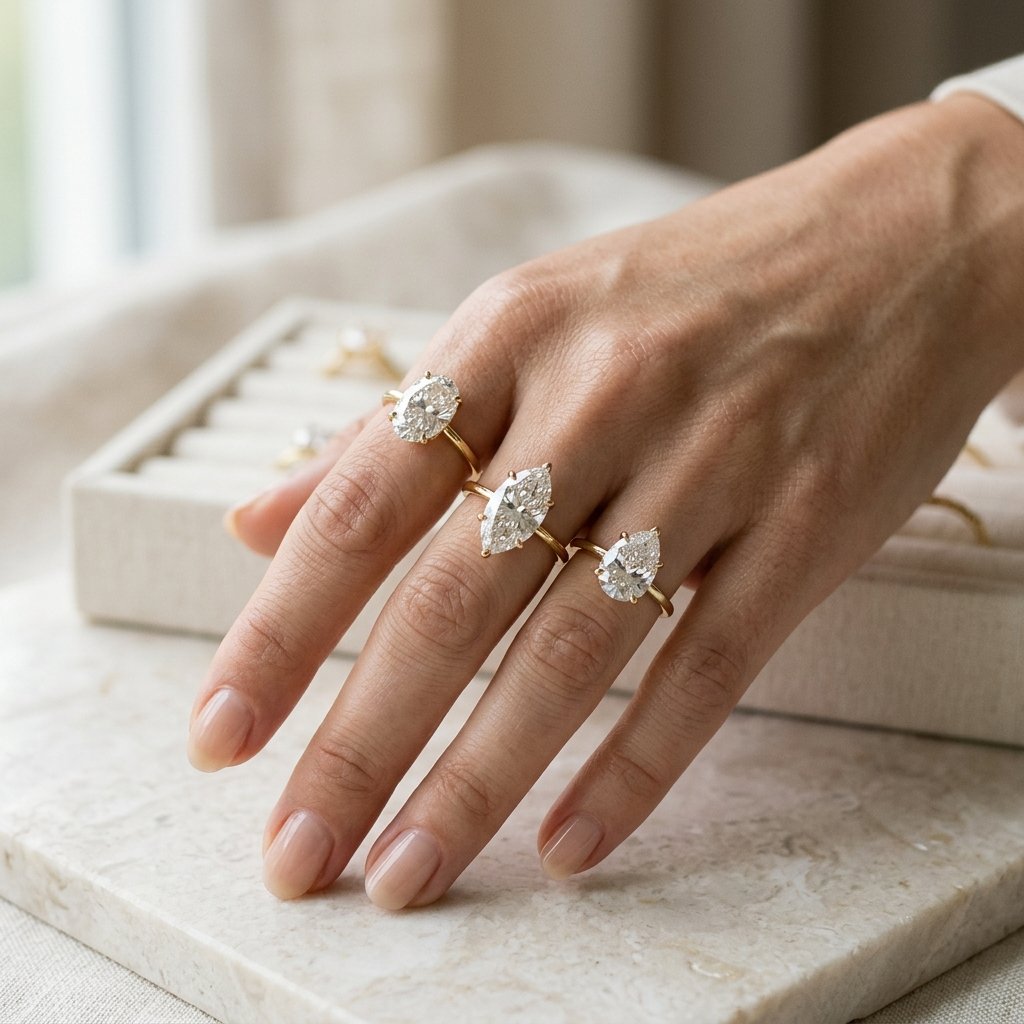
Elongated shapes create more vertical coverage on the finger, which makes them visually larger than compact shapes of the same carat weight. A 1-carat oval or pear covers more finger length than a 1-carat round, and the difference is noticeable from across a room.
The length-to-width ratio matters here. A 1.45-ratio oval looks more elongated than a 1.30-ratio oval, which can make it appear larger even though the carat weight is the same. Understanding oval diamond ratios will help you choose the right proportions for your finger.
Shapes That May Look Smaller at the Same Carat
Round and cushion diamonds tend to face up smaller than elongated shapes at the same carat weight. This does not mean they are worse — they often have better depth proportions that improve sparkle and light performance. The trade-off is that a 1-carat round may look smaller than a 0.90-carat oval.
Some cushion cuts have deep pavilions that hide weight below the girdle, making them appear smaller face-up. This is why checking the actual dimensions is essential for every diamond you consider.
How Settings Change Visible Size
The setting can make a diamond appear larger or smaller regardless of its actual measurements. A thin band makes the diamond stand out more. A halo of melee diamonds around the center stone adds visual width. A hidden halo adds sparkle without changing the silhouette. A three-stone setting extends the diamond line horizontally.
If maximum visible size is your priority, a halo or three-stone setting can add more perceived size than upgrading to a larger center stone. Browse our lab grown diamond ring styles to see how different settings affect appearance.
Buyer Decision Box
Choose oval, marquise, or pear if: maximum visible size is your highest priority.
Choose round or radiant if: you prioritize sparkle over perceived size.
Choose emerald or Asscher if: you want an elegant, architectural look that also spreads well.
Choose cushion if: you prefer a softer shape and are comfortable checking measurements.
Common Mistakes
- Choosing the highest carat number without checking length and width measurements.
- Ignoring depth percentage — a deep diamond hides weight below the girdle.
- Comparing diamonds using photos with different magnification levels.
- Assuming all elongated shapes always look larger — ratio and depth still matter.
- Ignoring the bow-tie effect when choosing elongated shapes for size.
Myth vs Fact
| Myth | Fact |
|---|---|
| A 1-carat diamond always looks like a 1-carat diamond. | Face-up size varies significantly by shape, depth, and ratio. |
| Round diamonds look the biggest. | Round diamonds actually face up smaller than elongated shapes of the same carat. |
| Oval always looks bigger than round. | An oval usually looks larger, but a poorly proportioned oval may not. |
| Higher carat always means a better ring. | Cut quality, setting style, and finger proportion matter as much as carat. |
FAQ
Which diamond shape looks the biggest?
Marquise, oval, and pear shapes typically look largest for their carat weight because their elongated shape spreads weight across more surface area.
Does oval look bigger than round?
Yes, an oval usually appears larger than a round diamond of the same carat weight because the elongated silhouette covers more finger length.
Does marquise look bigger than oval?
A marquise diamond can appear longer than an oval of the same carat weight because its pointed ends create more extreme elongation.
Does pear look bigger than oval?
Pear and oval are comparable in face-up size. The pear’s pointed tip adds visual length, while the oval’s rounded ends feel wider.
Does emerald cut look bigger than round?
An emerald cut often appears larger than a round of the same carat because the broad step facets create a wider visual spread.
How can I make a diamond look bigger without upgrading carats?
Choose an elongated shape, a thin band, a halo setting, or a three-stone setting. All of these increase perceived size without increasing carat weight.
What measurements should I check for face-up size?
Check the length and width in millimeters, as well as the depth percentage. These are more useful than carat weight for comparing visible size.
Does a deeper diamond always look smaller?
Generally yes, because deeper diamonds hide more weight below the girdle. However, some depth is necessary for good light performance.
Which looks bigger on small hands?
On small hands, an oval or pear diamond often looks the most proportional while creating the appearance of a larger stone relative to the finger.
Does setting affect how big a diamond looks?
Yes. A thin band, halo setting, three-stone setting, and elevated cathedral setting all make the center diamond appear larger.
Final Buying Note
Getting the most visible size for your budget is about understanding shape, measurements, depth, and setting — not just chasing the highest carat number. Compare actual dimensions, check real photos, and choose a setting that enhances the perceived size. A well-chosen diamond with good proportions will always look better than a larger diamond with poor cut quality.
Browse our lab grown diamond inventory, explore ring styles, or request a custom design.
© VANTYRE Jewelry Guide