
Choosing a lab-grown diamond is important, but choosing the right ring setting is just as important.
A beautiful center diamond can lose its effect if the setting feels too heavy, too high, too thin, or simply not right for the stone. The setting decides how the diamond sits, how it catches light, how comfortable the ring feels, and how the final piece looks on the hand.
That is why a lab-grown diamond ring should not be chosen only by carat weight or price. The center stone and the setting need to work together.
At VANTYRE, many engagement rings are made to order. That means the setting should be selected carefully and matched with the right center diamond before production.
Start With the Center Diamond Shape
The first question is simple: what diamond shape do you want?
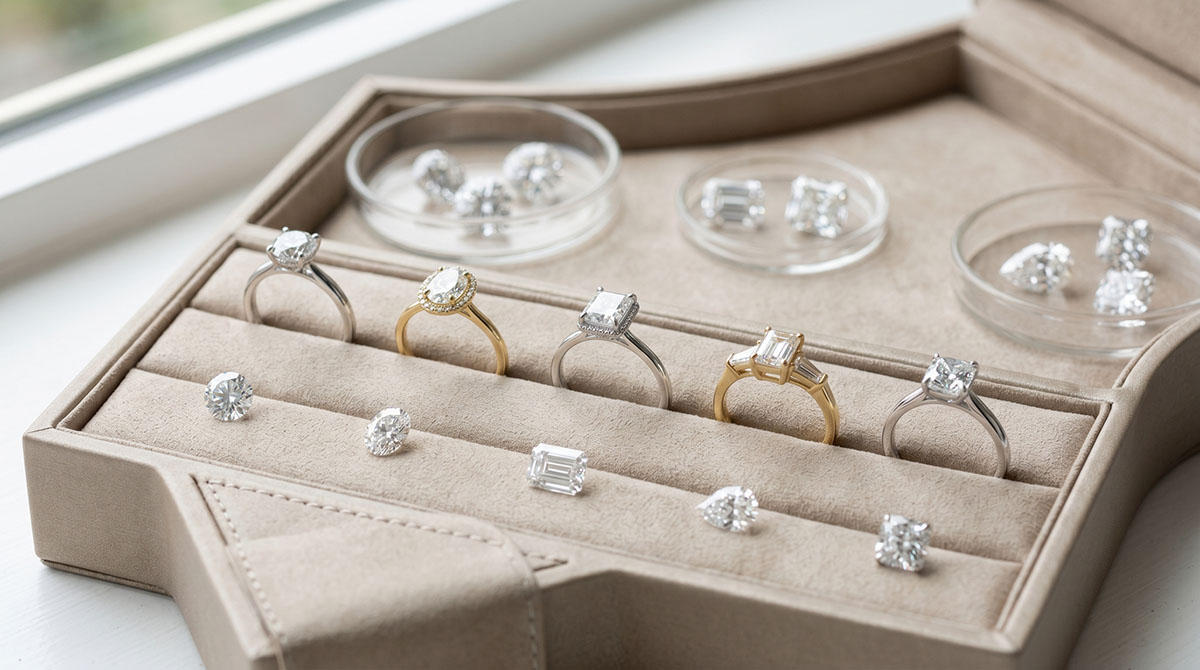
Different diamond shapes need different setting styles. A round diamond works well with almost any classic setting. An oval diamond often looks elegant in a solitaire, hidden halo, or three-stone design. A radiant cut diamond can feel modern and strong, especially in a clean setting. An emerald cut diamond usually looks better when the setting is refined and not too busy.
Popular lab-grown diamond shapes include:
- Round brilliant
- Oval
- Radiant
- Emerald cut
- Pear
- Cushion
- Marquise
If you are still comparing stones, you can browse our IGI certified lab-grown diamonds and compare shape, carat, color, clarity, measurements, and price.
Understand What a Setting-Only Ring Means
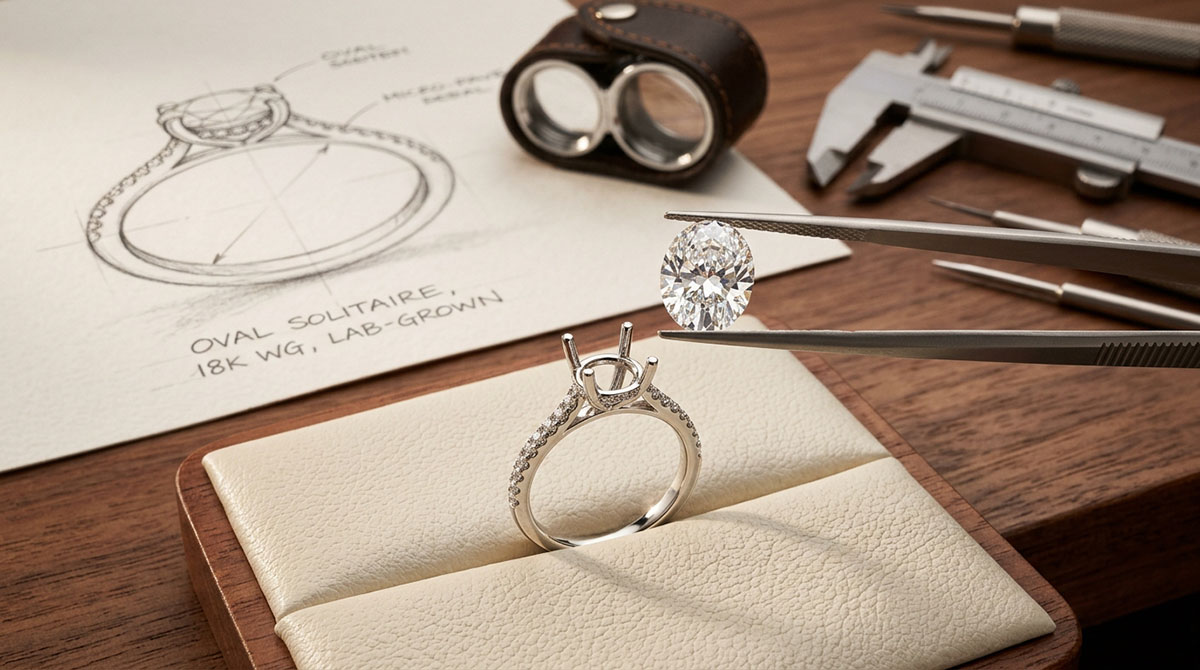
Some customers see a ring setting and think the center diamond is included. But in many made-to-order engagement rings, the setting and the center diamond are separate parts of the final ring.
A setting-only ring means the listed price is for the ring setting, not the center diamond. This is useful because customers can choose the diamond separately based on budget, size, shape, and quality.
For example, one customer may choose a 1.50ct oval lab-grown diamond. Another may choose a 3.00ct radiant cut. The setting may look similar, but the production needs may be different because the center stone size and measurements are different.
This is why the center diamond and setting should be matched before production. The prongs, basket, height, and proportions all need to fit the actual diamond.
Solitaire, Halo and Hidden Halo: What Is the Difference?
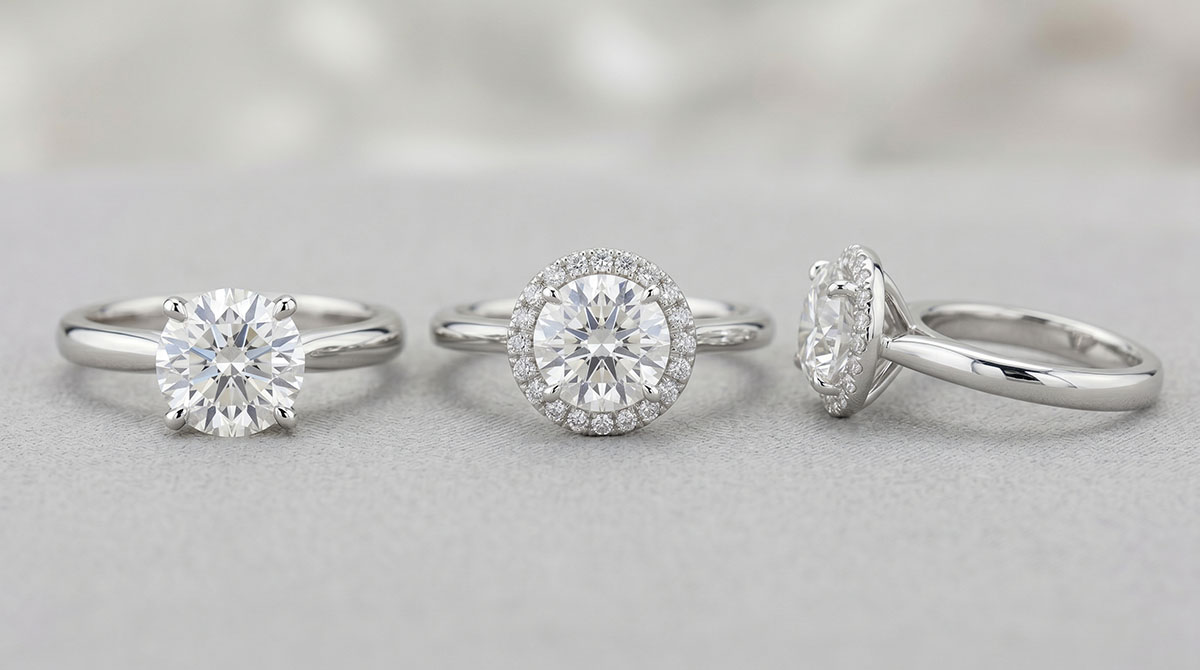
Many customers start with three popular setting styles: solitaire, halo, and hidden halo.
Solitaire Setting
A solitaire setting is clean, simple, and timeless. It keeps the focus on the center diamond. This is a good choice if you want the diamond shape and size to be the main feature.
Solitaire settings are especially popular for round, oval, emerald cut, radiant, and cushion lab-grown diamonds. They are also easier to wear every day because the design is usually not too complicated.
Halo Setting
A halo setting uses small diamonds around the center stone. This can make the ring look brighter and visually larger.
Halo settings work well for customers who want more sparkle. They can be beautiful with oval, cushion, pear, and round diamonds. But the halo must be made carefully. If the small stones are not aligned well, the ring can look messy.
Hidden Halo Setting
A hidden halo places small diamonds under the center stone, usually visible from the side. It gives the ring a modern detail without changing the top view too much.
This is a good option for customers who want a clean face-up look but still like a little extra sparkle from the side.
Three-Stone Settings Add Meaning and Balance
A three-stone setting uses a center diamond with two side stones. The side stones can be small diamonds, tapered baguettes, pear shapes, or other matching stones.
This style can make the ring feel more meaningful and balanced. It also works well when the center stone is larger and needs visual support on both sides.
Three-stone settings are especially attractive for oval, emerald cut, radiant, and cushion lab-grown diamonds. The key is proportion. If the side stones are too large, they may compete with the center diamond. If they are too small, they may not add enough balance.
Match the Setting With the Center Diamond Size and Shape
This is one of the most important parts of choosing a lab-grown diamond ring setting.
A 1.00ct diamond and a 3.00ct diamond do not need the same structure. A long oval diamond and a wide oval diamond may also require different details. A radiant cut diamond may need a stronger basket, while an emerald cut diamond may need a cleaner, more refined frame.
The setting should match the diamond’s measurements, not just the carat weight.
Two diamonds with the same carat weight can have different length, width, depth, and overall visual size. That is why the ring setting should be adjusted around the actual diamond whenever possible.
This is also why made-to-order production is useful. It allows the ring to be built around the selected center diamond instead of forcing the diamond into a generic setting.
Think About Daily Wear and Comfort
A ring can look beautiful in a photo but still feel uncomfortable in real life.
Before choosing a setting, think about how often the ring will be worn. A high setting can make the diamond look more prominent, but it may catch on clothing more easily. A low setting can feel more comfortable, but it may not show the diamond as dramatically.
The band width also matters. A very thin band can look delicate, but it may not be the best choice for a very large center diamond. A slightly stronger band can make the ring feel more balanced and secure.
For daily wear, many customers prefer a setting that feels:
- Secure
- Comfortable
- Not too sharp
- Easy to match with a wedding band
- Balanced with the center diamond size
Choose the Right Metal Color
The metal color changes the whole feeling of the ring.
White gold or platinum gives a clean and modern look. Yellow gold feels warmer and more classic. Rose gold can feel softer and more romantic.
For D, E, F, and G color lab-grown diamonds, white metal is often a popular choice because it keeps the diamond looking bright and clean. But yellow gold can also look beautiful, especially for customers who want a warmer style.
The best choice depends on the diamond, the wearer’s style, and the overall design.
Why Made-to-Order Craftsmanship Matters
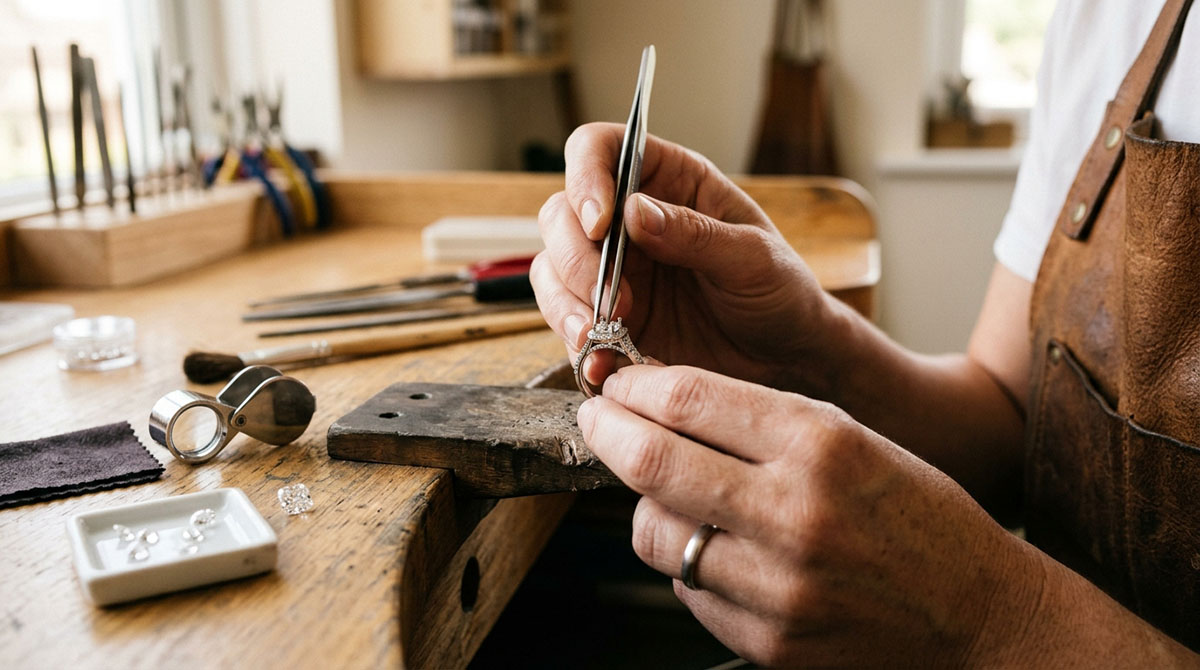
A ring setting is not only about style. It is also about structure and craftsmanship.
The prongs must hold the center diamond securely. The basket should support the stone without looking too heavy. The side stones should be aligned. The polishing should be clean. The ring should feel smooth on the hand.
This is especially important for lab-grown diamond rings because many customers choose larger center stones or more detailed settings. A larger diamond needs a stronger and better-balanced setting.
Chinese jewelry craftsmanship is useful here because many skilled workshops are experienced in CAD adjustment, stone setting, polishing, and made-to-order production. For VANTYRE, craftsmanship is not about making a ring quickly. It is about making the ring feel secure, balanced, and wearable.
Common Mistakes to Avoid
When choosing a lab-grown diamond ring setting, try to avoid these common mistakes:
- Choosing a setting only because it looks good in one photo.
- Ignoring the actual measurements of the center diamond.
- Choosing a band that is too thin for a large stone.
- Choosing a high setting without thinking about daily wear.
- Assuming the center diamond is included in a setting-only price.
- Choosing too many details that distract from the center diamond.
A good ring should look beautiful, but it should also make sense for real wear.
VANTYRE’s View
At VANTYRE, we believe the best lab-grown diamond ring is not only about the biggest stone.
It is about balance.
- The right diamond shape.
- The right setting style.
- The right proportions.
- The right metal color.
- The right craftsmanship.
- The right fit for the person wearing it.
Whether you choose a solitaire, halo, hidden halo, three-stone, or fully custom setting, the goal is the same: the diamond and the setting should work together.
If you already have a style in mind, you can send your idea through our custom jewelry service. If you are still choosing a stone, start with our lab-grown diamond inventory and compare your options.
Final Thought
A lab-grown diamond ring setting should do more than hold the diamond.
It should show the diamond beautifully, protect it securely, feel comfortable on the hand, and match the wearer’s style.
That is why choosing the setting matters.
If you need help matching a lab-grown diamond with the right setting, browse our diamond ring settings, explore our IGI certified lab-grown diamonds, or VANTYREにお問い合わせ for made-to-order support.