
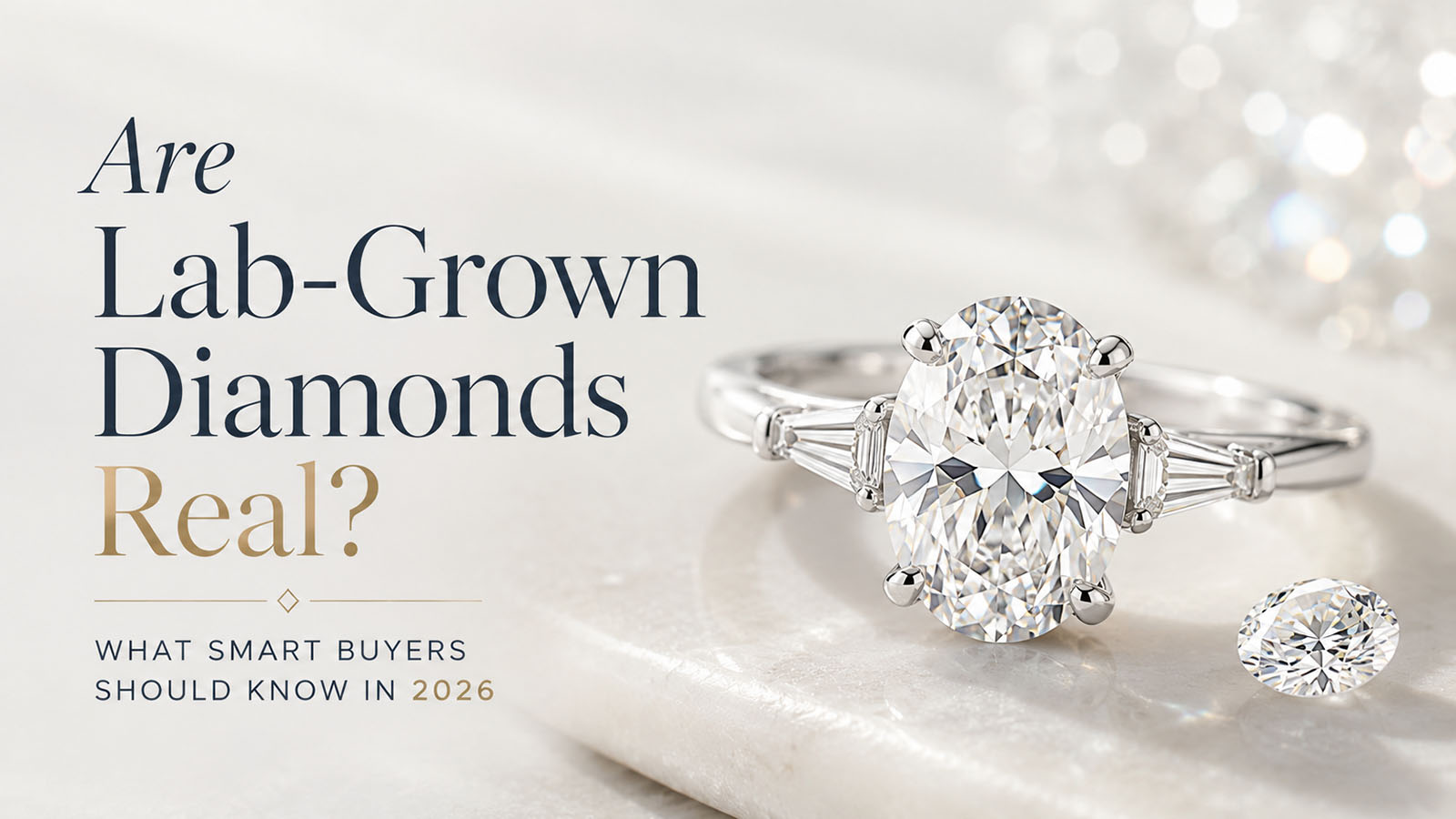
Lab-grown diamonds are one of the most discussed topics in fine jewelry today. More buyers are choosing them for engagement rings, tennis bracelets, necklaces, earrings, and custom jewelry because they offer diamond beauty, strong value, and more flexibility when choosing size and quality.
But one question still comes up again and again:
Are lab-grown diamonds real diamonds?
The simple answer is: yes, lab-grown diamonds are real diamonds. They are not cubic zirconia, glass, moissanite, or imitation stones. A lab-grown diamond has essentially the same chemical and optical properties as a natural diamond. The important difference is not whether it is a diamond. The difference is origin.
A natural diamond forms deep inside the Earth over a very long period of time. A lab-grown diamond is created in a controlled laboratory environment using advanced technology such as HPHT or CVD. Both can be beautiful. Both can be graded. Both can be used in fine jewelry. But they should always be described clearly so buyers know exactly what they are purchasing.
Why This Question Matters in 2026
In 2026, buyers are becoming more careful and more informed. They want to know what they are paying for, whether the diamond is certified, and whether the seller is describing the product honestly.
This is also why clear disclosure has become an important industry topic. A lab-grown diamond should not be presented as a mined diamond. It should be sold transparently: a real diamond, with laboratory-grown origin.
At VANTYRE, we believe this transparency is essential. Our goal is to help customers choose beautiful lab-grown diamonds and fine jewelry with clear product information, certification details, and honest guidance.
Lab-Grown Diamond vs. Natural Diamond: What Is the Difference?
A lab-grown diamond and a natural diamond can look almost identical to the naked eye. Both can have brilliance, fire, sparkle, and hardness. Both are diamond material.
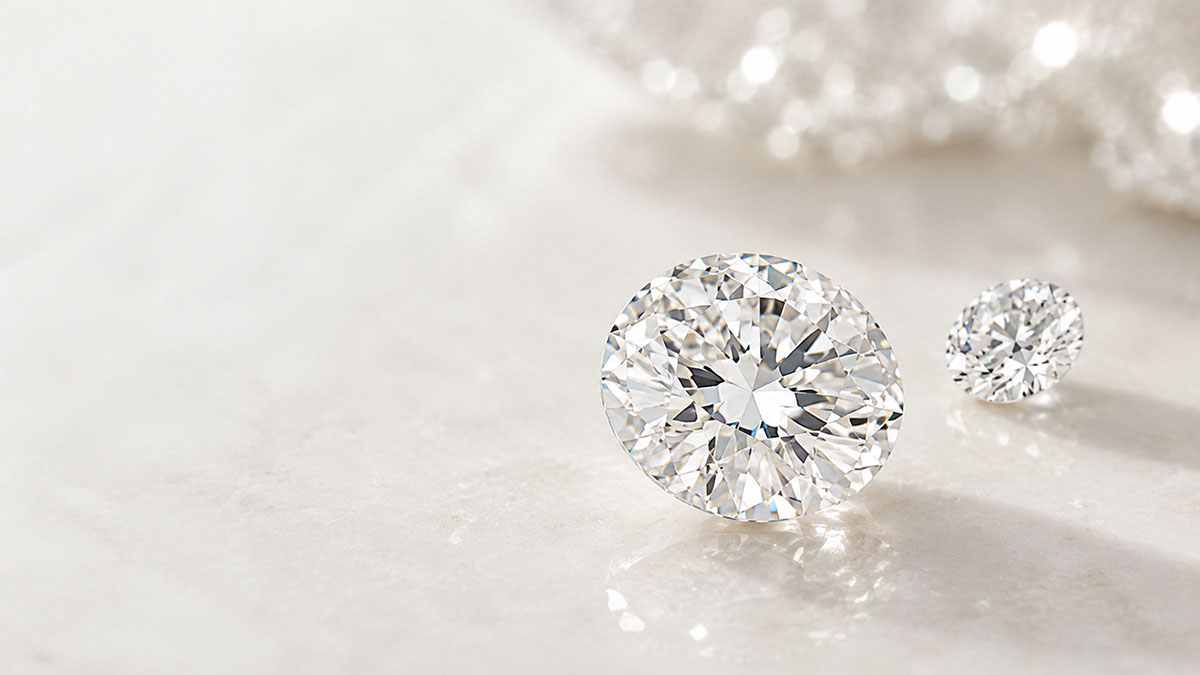
The main differences are:
- Origin: Natural diamonds are mined from the Earth. Lab-grown diamonds are created in a laboratory.
- Price: Lab-grown diamonds usually allow buyers to choose a larger or higher-quality stone within the same budget.
- Rarity: Natural diamonds are valued partly for geological rarity. Lab-grown diamonds are valued more for beauty, quality, and accessibility.
- Identification: Professional gemological testing is usually required to reliably separate natural diamonds from laboratory-grown diamonds.
- Disclosure: Sellers should clearly describe laboratory-grown diamonds as lab-grown, laboratory-grown, laboratory-created, or similar wording.
If you are comparing options, you can browse our current IGI certified lab-grown diamonds and compare shape, carat, color, clarity, cut, measurements, and price.
Is a Lab-Grown Diamond Fake?
No. A lab-grown diamond is not fake.
A fake diamond is usually a simulant, such as cubic zirconia or another material that only looks similar to diamond. A lab-grown diamond is different. It is diamond, but it was created through technology instead of mined from the Earth.
A simple way to understand it is:
- Lab-grown diamond: Real diamond, laboratory origin.
- Natural diamond: Real diamond, mined origin.
- Simulant: Not diamond, only diamond-like appearance.
Why Buyers Choose Lab-Grown Diamonds
Many modern buyers choose lab-grown diamonds because they want more visible beauty for their budget. Instead of paying mainly for natural rarity, they can put more of the budget toward carat size, cut quality, color, clarity, and the jewelry design itself.
This is especially attractive for engagement rings. For example, one customer may prefer a 2.00ct oval diamond with a clean, elegant ring setting, while another may choose a 3.00ct radiant cut for a stronger visual presence. Lab-grown diamonds make this kind of personalization easier.
If you are planning an engagement ring, you can view our diamond ring settings and then match the setting with a suitable center diamond from our diamond inventory.
Why Certification Matters
When buying a lab-grown diamond, certification is very important.
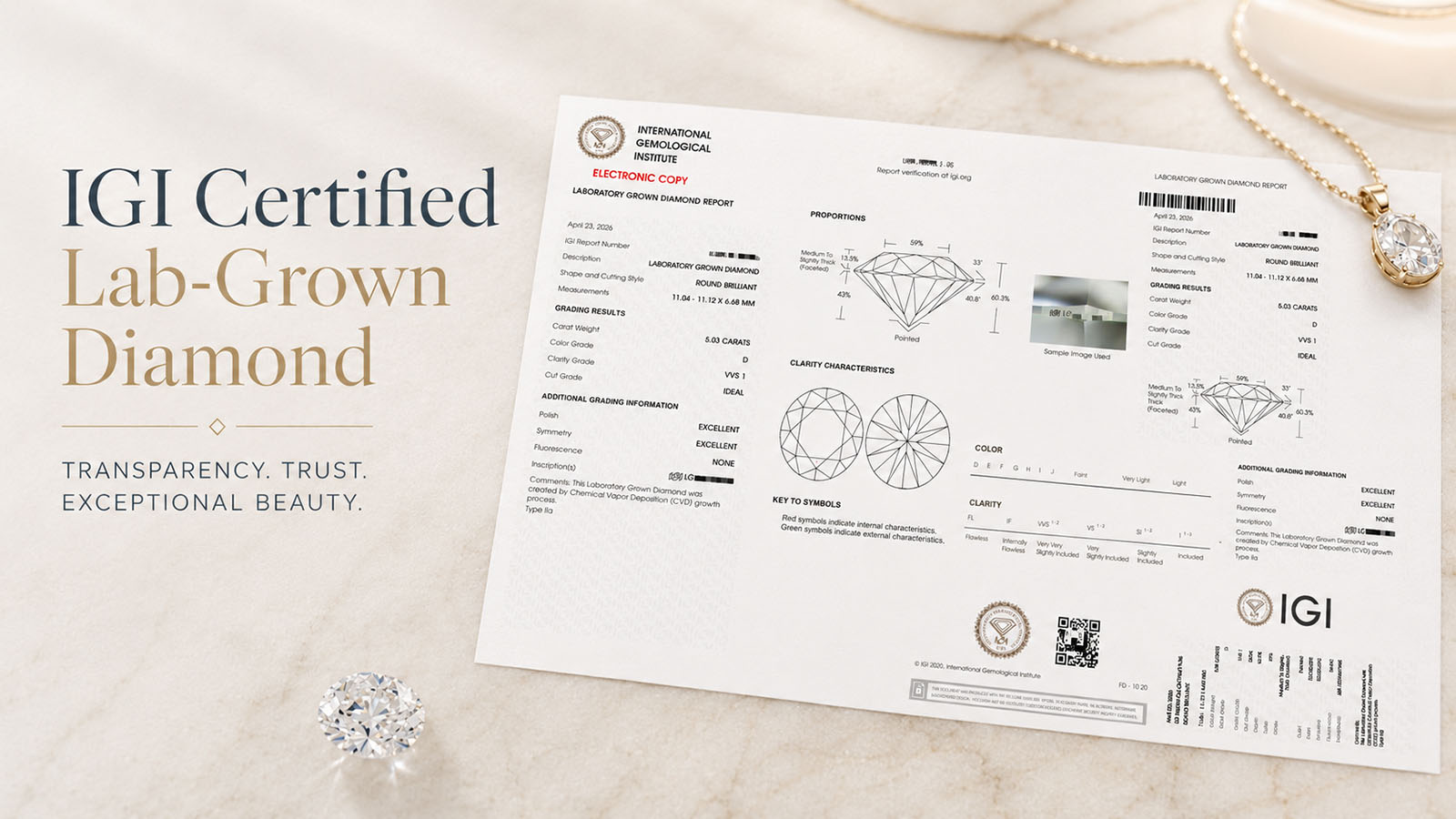
A trusted grading report helps confirm the diamond’s key details, including carat weight, color, clarity, cut information, measurements, and diamond type. For many buyers, an IGI-certified lab-grown diamond gives extra confidence because the diamond can be matched to a report number and verified.
Certification helps protect buyers from vague descriptions. Instead of only saying “beautiful diamond” or “high quality diamond,” a certificate provides specific details that can be reviewed before purchase.
At VANTYRE, many loose lab-grown diamonds include IGI report information, so customers can check the diamond details before choosing a stone for their ring or jewelry piece.
What Should You Look for When Choosing a Lab-Grown Diamond?
When choosing a lab-grown diamond, do not focus only on carat weight. A larger diamond is not always a better diamond. The best choice depends on balance.
1. Cut
Cut affects sparkle the most. A well-cut diamond can look brighter, cleaner, and more lively. For many buyers, cut quality should be one of the first things to consider.
2. Color
For colorless or near-colorless lab-grown diamonds, D, E, F, and G colors are popular choices. These grades are especially suitable for engagement rings and fine jewelry pieces where a clean white appearance is preferred.
3. Clarity
VS and VVS clarity grades are often attractive because they can look very clean to the naked eye. A diamond does not always need the highest clarity grade to look beautiful in real life.
4. Shape
Oval, round, emerald, radiant, pear, cushion, marquise, princess, and heart cuts each create a different style. Oval and radiant cuts often look visually larger, while round brilliant diamonds are classic and highly popular for sparkle.
5. Measurements
Carat weight is important, but measurements also matter. Two diamonds with the same carat weight can look different in size depending on their shape, cut, and proportions.
6. Setting Style
The setting should match the diamond’s shape and size. A beautiful diamond still needs a balanced setting to look elegant and secure. You can explore our lab-grown diamond jewelry collection for ring, necklace, bracelet, and earring styles.
Are Lab-Grown Diamonds Good for Engagement Rings?
Yes. Lab-grown diamonds are an excellent choice for many engagement rings.
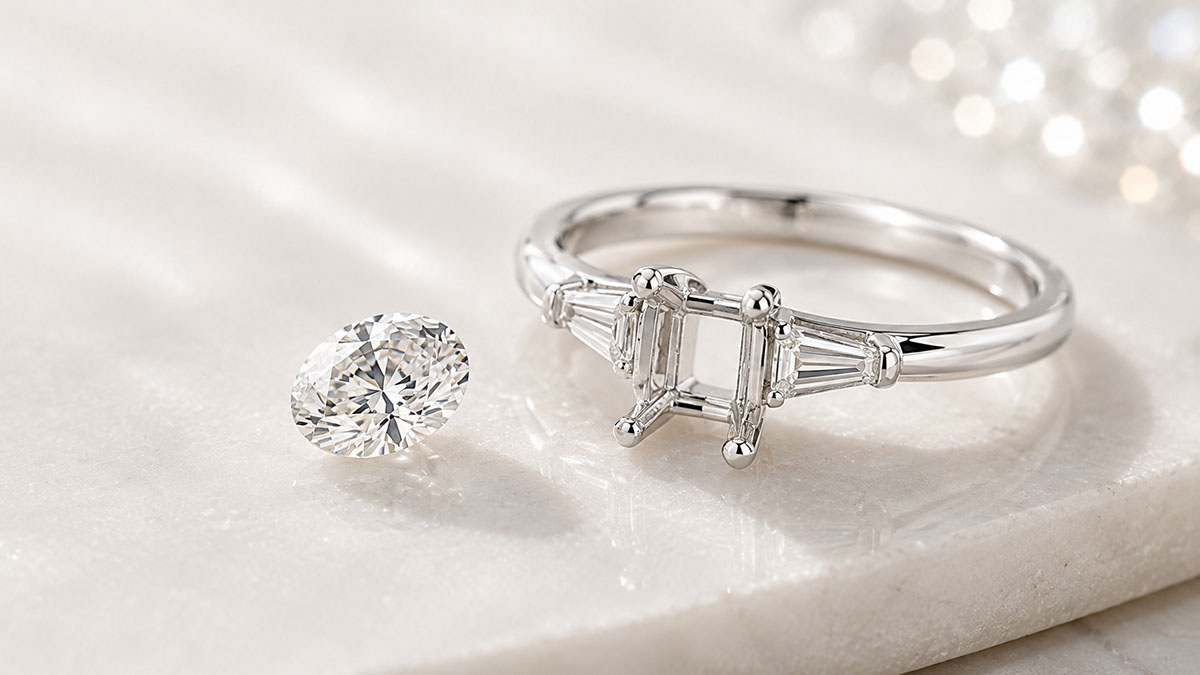
Many couples choose them because they want a larger center stone, a higher color or clarity grade, or a more customized ring without pushing the budget too far. This is especially common for oval, round, emerald, radiant, pear, and cushion engagement rings.
At VANTYRE, many engagement ring settings are made to order. For settings that require a center diamond, the setting and the matching diamond should be purchased together so the ring can be properly made and checked before delivery.
If you already have a style in mind, our custom jewelry service can help you create a ring, pendant, bracelet, or earring design based on your preferred diamond and setting style.
Should You Choose Lab-Grown or Natural?
There is no single answer for everyone.
Choose a natural diamond if you care most about geological rarity, traditional luxury, and mined origin.
Choose a lab-grown diamond if you care more about visual beauty, size, quality, transparency, and getting more diamond for your budget.
Both choices can be meaningful. The most important thing is that the diamond is described honestly, graded clearly, and set into jewelry that you will enjoy wearing.
VANTYRE’s View
At VANTYRE, we focus on lab-grown diamonds and fine jewelry for modern buyers who want beauty, value, and transparency.
We believe a lab-grown diamond should be explained clearly:
- It is a real diamond.
- It is not a mined diamond.
- It should come with clear details.
- It should be chosen for beauty, quality, and personal meaning.
Whether you are looking for a loose IGI-certified lab-grown diamond, a custom engagement ring, a tennis bracelet, earrings, or a made-to-order jewelry piece, the best diamond is the one that matches your style, budget, and story.
Final Thought
Lab-grown diamonds are not just a trend. They are changing how people buy fine jewelry.
In 2026, more customers are asking smart questions: What am I paying for? Is the diamond certified? Is the seller being transparent? Can I get a larger or better-looking diamond within my budget?
Those are the right questions to ask.
A lab-grown diamond can be a beautiful, durable, and meaningful choice — as long as you know what it is, how it was created, and what quality you are buying.
If you need help choosing a diamond or matching a diamond with a setting, please VANTYREにお問い合わせ. You can also review our shipping and production information before placing an order.